

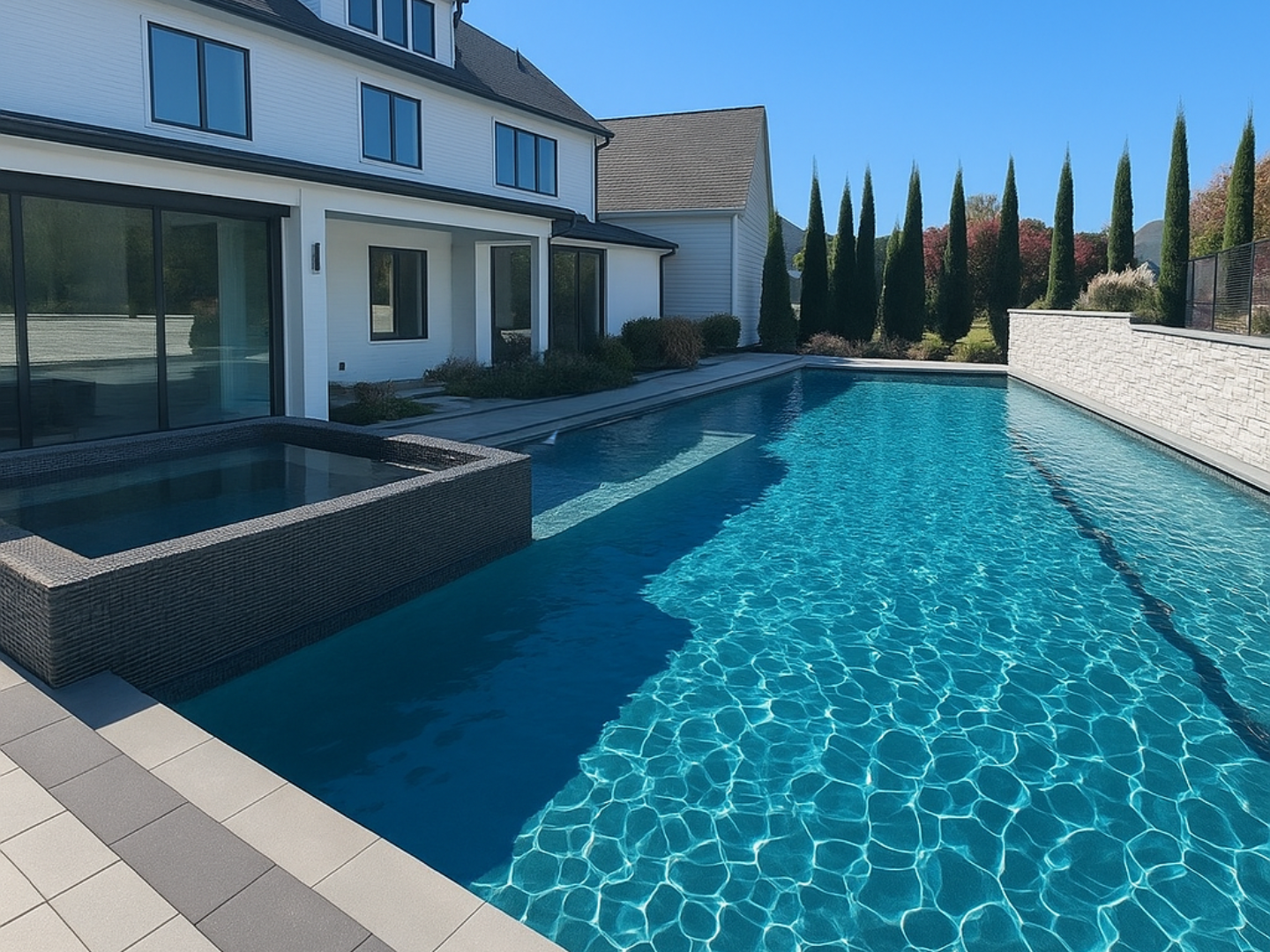
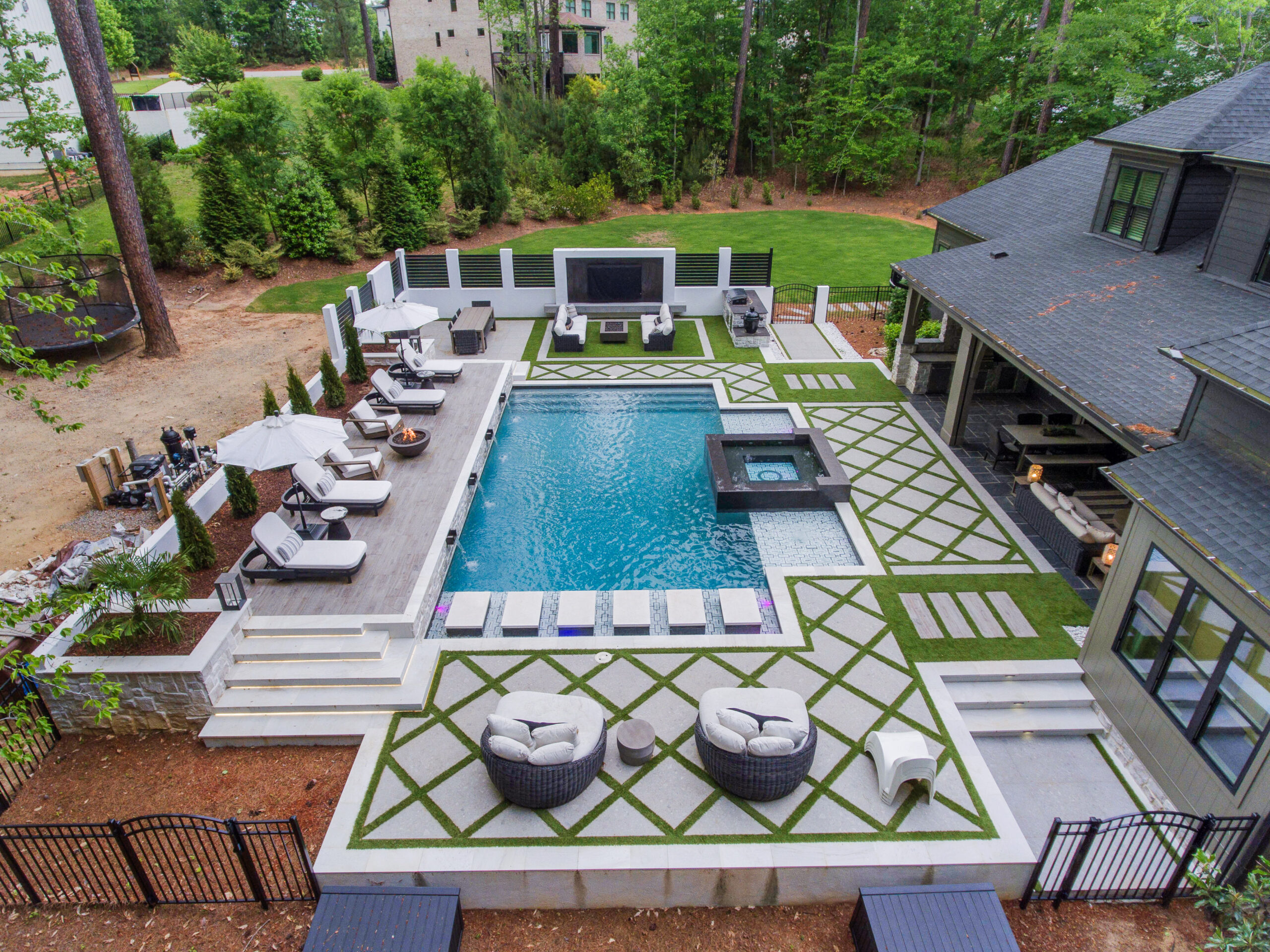
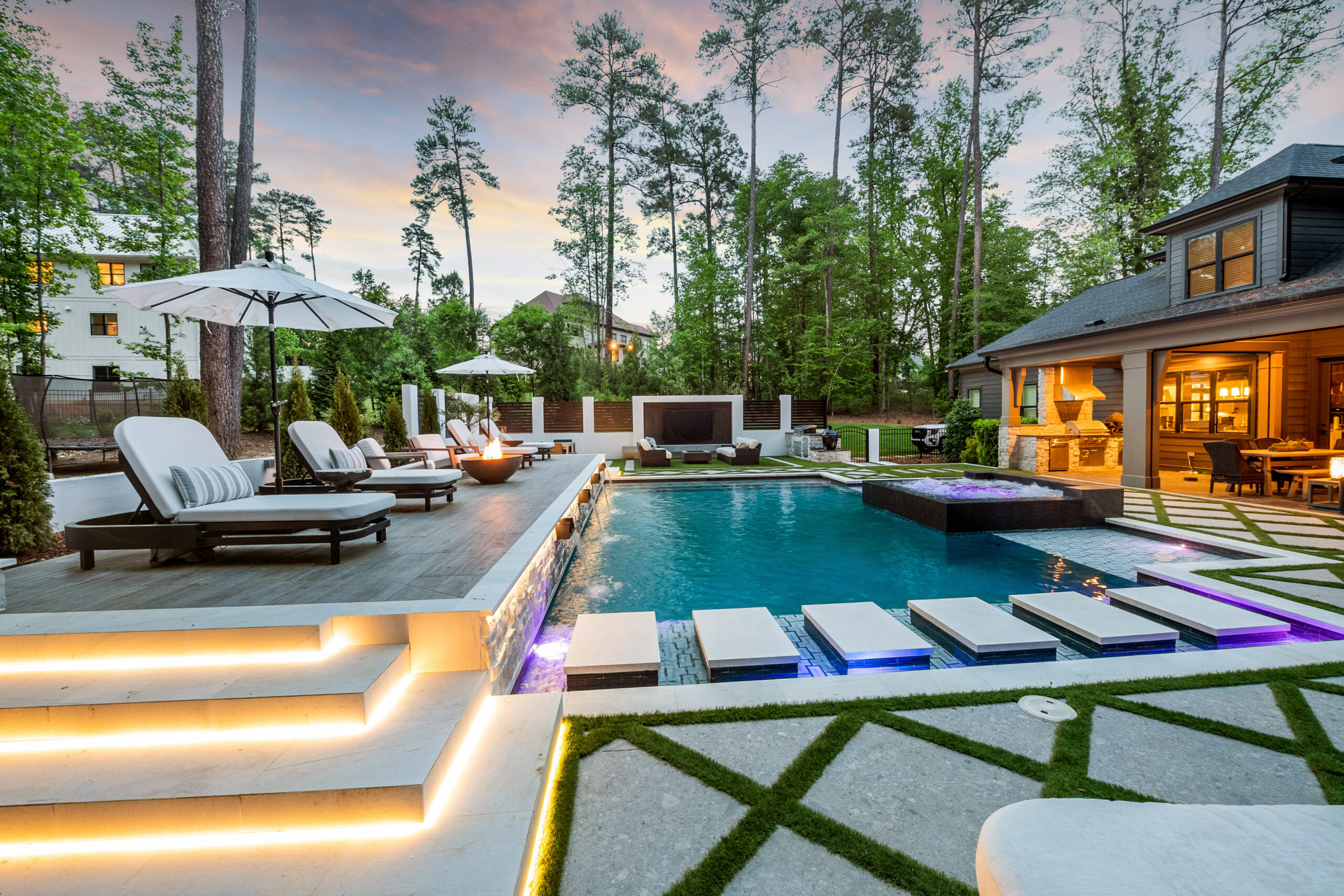
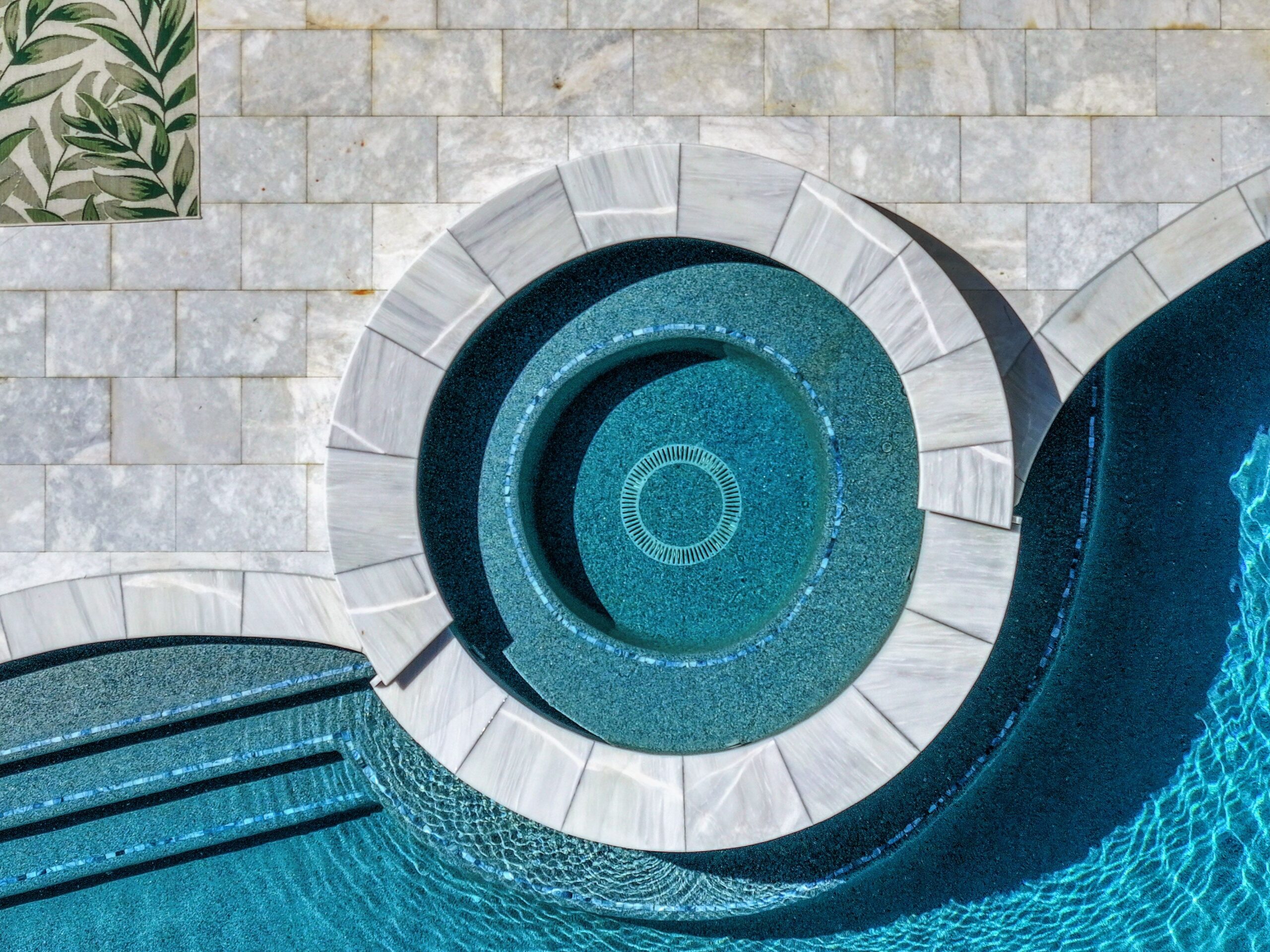
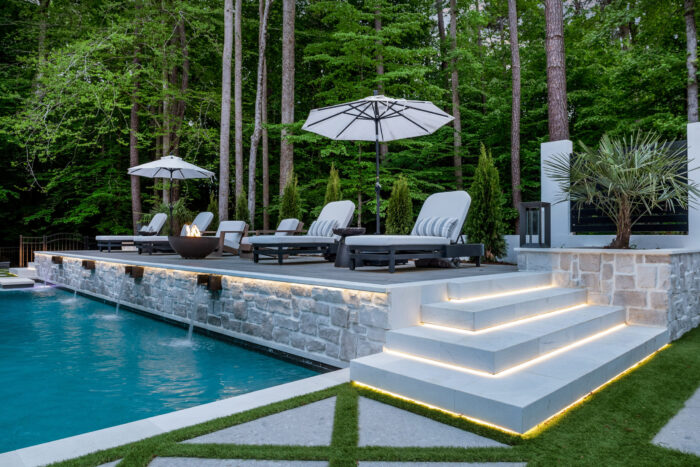
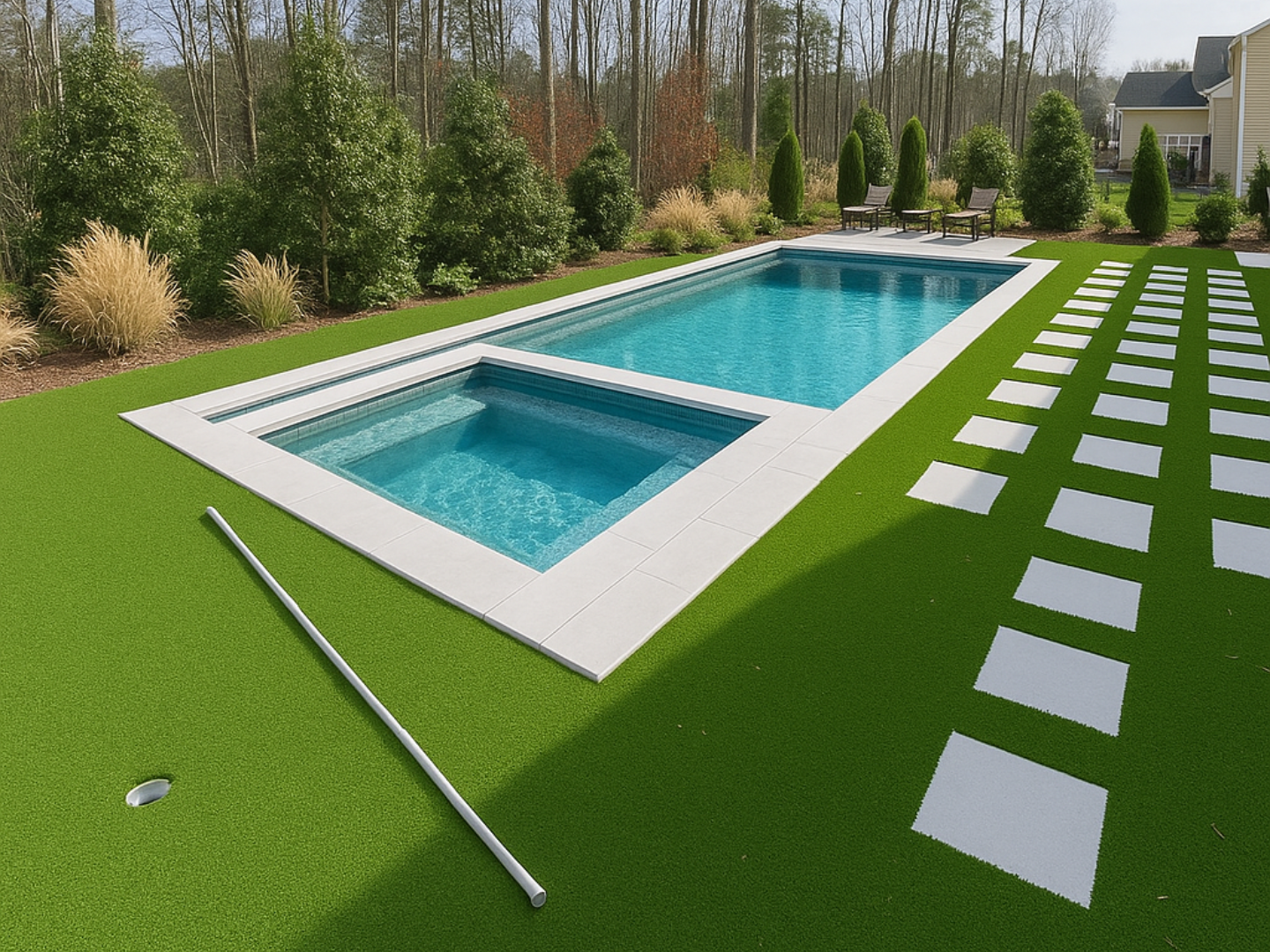
A custom pool may be the visual centerpiece of a backyard, but it is rarely the whole story. The spaces around the water are what shape how the environment actually feels and functions from day to day. Seating areas, dining zones, shade structures, fire features, and circulation paths are what turn a pool into a complete outdoor living experience.
For luxury homes in North Carolina, that distinction matters. Homeowners are not simply investing in a place to swim. They are investing in a backyard that supports entertaining, quiet evenings, family time, and a stronger connection between the home and the landscape. A well-designed pool should never feel isolated in the yard. It should feel integrated into a larger composition that reflects how the property is meant to be used.
That is why the most successful projects are designed as complete environments from the beginning. If you are mapping out how hardscape, planting, and layout work together, our guide to pool deck landscaping ideas in North Carolina is a strong place to begin.

Why the Outdoor Living Space Around the Pool Matters
A pool alone can look beautiful, but without supporting spaces around it, the backyard can feel incomplete or underused. Homeowners may end up with a visually impressive feature that does not fully support how they want to live outside.
Outdoor living areas shape how people move, gather, relax, and entertain. They create places to sit before or after swimming, allow for outdoor dining, provide shade and privacy, and visually connect the pool to the house. When these zones are planned alongside the pool itself, the result feels far more intentional. Materials coordinate better. Sightlines become clearer. The backyard reads as one tailored environment instead of a series of unrelated features.
This is one of the biggest differences between a basic installation and a true outdoor living pool design. The design is not focused on the water alone. It is focused on how the entire environment performs.
The Most Important Outdoor Living Zones Around a Pool
Not every backyard needs the same features, but most luxury pool environments include a few core zones that support comfort, use, and visual balance.
Lounge Areas That Invite People to Stay
Lounge space is often one of the most-used areas around a custom pool. This is where homeowners and guests relax with a view of the water, enjoy the sun, or gather casually throughout the day. A strong lounge area may include chaise seating, shaded chairs beneath an umbrella or pergola, in-water loungers on a tanning ledge, or built-in benches and seat walls.
The goal is not to crowd the deck with furniture. The goal is to create an arrangement that feels open, balanced, and easy to move through. Good pool patio layout ideas always account for both comfort and circulation, because even the most elegant furniture plan can fall short if the space feels tight or awkward.
Dining Areas That Extend Time Outdoors
Dining zones help turn a backyard into a place where people linger. Whether the setting is a simple dining terrace near the home or a fully integrated outdoor room beside the pool, this space supports a more complete outdoor lifestyle.
Well-designed dining areas typically consider proximity to the home or outdoor kitchen, shade and weather protection, evening lighting, and enough room to move around the table comfortably. They should also maintain a clear relationship to the pool and surrounding landscape, so the whole backyard still feels connected rather than divided into separate destinations.
Outdoor Kitchens and Entertainment Spaces
For many high-end homeowners, an outdoor kitchen is one of the most practical additions to a backyard pool entertainment space. It makes hosting easier, keeps the flow of a gathering outdoors, and allows the host to remain connected to guests instead of constantly moving back inside.
Depending on the property and the homeowner’s lifestyle, an outdoor kitchen may include a grill, prep space, sink, refrigeration, beverage station, bar seating, storage, and serving surfaces. When these elements are planned from the start, they can be integrated into the architecture of the backyard instead of looking like later additions.
Shade Structures and Covered Retreats
North Carolina summers are beautiful, but they can also be hot and humid. Shade is one of the most important design considerations in any luxury outdoor living design, especially around a custom pool.
Covered areas may include pergolas, covered patios, cabanas, pool houses, or deep roof overhangs. These features offer relief from direct sun while also helping define outdoor rooms within the broader backyard composition. In many projects, they act as a bridge between the architecture of the home and the pool deck, making the transition outside feel more natural.
Fire Features for Evening Gathering
Fire features bring warmth, visual interest, and another reason to use the backyard after the sun goes down. They often become natural gathering points in the evening and can extend the use of the space into cooler months.
Options may include linear fire features, fire bowls, built-in fireplaces, or lounge areas organized around a central fire element. From a design perspective, fire creates contrast with water. Used thoughtfully, it can deepen the atmosphere of the backyard and make the outdoor living environment feel even more complete.

How to Design Outdoor Living Areas That Feel Cohesive
A luxury backyard should not feel fragmented. Even when multiple zones are involved, the entire space should still read as one connected composition. That cohesion is usually the result of several key design decisions made early in the process.
Start With Circulation
Movement is one of the first things designers consider. From the back door to the pool, from the pool to the dining terrace, and from the lounge area to the lawn, each route should feel natural and intuitive.
Good circulation helps prevent crowded layouts, awkward dead ends, unnecessary crossing between active areas, and visual clutter. A backyard that flows well feels calmer and easier to enjoy, even when there are multiple destinations within the same space. This is one of the most important principles behind successful outdoor living space around pool planning.
Use Materials That Relate to the Home
Outdoor spaces feel more refined when their materials relate back to the architecture of the house. That does not mean everything has to match exactly. It means the finishes should feel coordinated and intentional.
Porcelain or natural stone may complement the home’s exterior palette. Wood details might echo tones found inside the home. Masonry features can reference the same brick or stone used on the facade. Subtle continuity between the pool deck, patios, walls, and planted edges helps the entire environment feel like a natural extension of the house.
Define Zones Without Closing Off the Space
One of the best design strategies is defining different uses without making the backyard feel chopped up. Low seat walls, changes in paving pattern, raised planters, and small shifts in elevation can all suggest distinct zones while preserving openness.
This matters because many homeowners experience the backyard from inside as much as they do from outside. The view from the kitchen, living room, or primary suite should still feel composed and connected. A strong outdoor living pool design maintains that sense of unity from every angle.
Outdoor Living Features That Add Long-Term Value
Some features improve more than the appearance of the backyard. They also make the space more usable and better aligned with how homeowners want to live over time.
Integrated seating walls can add structure and flexibility without filling the patio with movable furniture. Covered dining areas improve comfort and extend use through the seasons. Outdoor kitchens make entertaining easier. Built-in lighting supports both safety and atmosphere. Fire features add warmth and visual focus. Pool houses, changing rooms, and landscape screening can improve function and privacy in ways that feel lasting.
The most valuable backyards are not the ones with the longest list of amenities. They are the ones where each feature serves a clear purpose and contributes to a cohesive experience.
Common Mistakes to Avoid in Pool Patio Layout Ideas
Even beautiful backyards can fall short if the surrounding spaces are not planned carefully. One of the most common mistakes is treating the pool and the outdoor living areas as separate projects. When the pool comes first and everything else is solved later, the final result can feel disconnected. Deck widths may end up too tight, furniture layouts can become compromised, and important views may be missed.
Another common issue is overcrowding the patio. Trying to fit too many functions into a limited footprint often makes the space less comfortable rather than more useful. Open space is part of good design. It allows the architecture, pool, and landscape to breathe.
Comfort is another factor that is sometimes overlooked. A patio that becomes too hot to use in the afternoon will never perform the way it should, no matter how attractive it looks in photos. Shade and microclimate matter just as much as layout. The same is true for evening use. Without thoughtful lighting, fire features, and clear circulation, the backyard may only feel usable for part of the day.

Why Outdoor Living Should Be Considered Early in the Process
The best outdoor environments are shaped from the beginning, not assembled in stages. Planning outdoor living features early allows the full project team to coordinate layout, utilities, grading, drainage, materials, and sightlines before construction begins.
That matters in a custom design-build process, especially when the goal is to create a backyard that feels tailored rather than pieced together over time. The earlier the pool, patios, planting, shade structures, and gathering areas are considered together, the more natural the final result tends to feel.
Homeowners exploring custom pools in Chapel Hill often benefit from this approach because many properties in the area require a careful response to topography, architecture, and surrounding landscape. Addressing those factors together usually leads to a stronger and more cohesive outdoor environment. For broader inspiration on residential landscape and outdoor living design, the American Society of Landscape Architects offers helpful resources.
Questions Worth Asking Before Finalizing the Layout
As homeowners think through their backyard pool entertainment space, it helps to step back and ask a few larger questions. How will people move through the yard during a gathering? Where do you want conversation to happen, and where should the atmosphere feel quieter? Which areas need shade at different times of day? How should the backyard feel when viewed from inside the home in the evening?
It is also worth asking which features truly support the lifestyle you want. A great outdoor living environment is not about adding everything. It is about choosing the right combination of spaces that make the backyard easier to use, more enjoyable to share, and more connected to the home itself.
FAQ: Outdoor Living Space Around a Pool
What should be included in an outdoor living space around a pool?
Most outdoor living spaces around a pool include lounge seating, dining space, pathways, lighting, and some form of shade. Depending on the property, they may also include outdoor kitchens, fire features, or a pool house.
How much patio space do you need around a pool?
It depends on how the backyard will be used. A luxury pool environment often needs enough room for circulation, seating, and gathering zones, not just space immediately around the water.
Should outdoor kitchens be near the pool?
Often, yes. Outdoor kitchens typically work best when they are close enough to support entertaining but positioned so they do not interrupt circulation or crowd the deck.
Is it better to design the pool and outdoor living areas together?
Yes. Designing them together creates better flow, more cohesive materials, and a stronger connection between the home, pool, and surrounding landscape.
Create a Backyard That Feels Complete
A custom pool becomes far more valuable when it is part of a fully considered outdoor living environment. The best projects connect water, architecture, materials, planting, and gathering spaces into one seamless experience.
Jim Hinson Pools leads homeowners through a design-first 9 to 12 month process that brings those elements together with clarity and intention. From early concepts to final detailing, the goal is always the same: to create a backyard that feels tailored to the home and to the way you live.If you are planning a custom pool in North Carolina and want the surrounding space to feel just as thoughtful as the water itself, contact Jim Hinson Pools to begin your consultation.